







Archive
18.11.2026


 0
 0
 Touch operator panels Weintek
 Meters-indicators
 Controllers (PID, ON/OFF)
 I/O modules

I/O modules
 Spark protection barrier

Spark protection barrier
 Recorders and archivers

Recorders and archivers
 Meters and converters of electrical network parameters

Meters and converters of electrical network parameters
 Counters, timers, tachometers

Counters, timers, tachometers
 Liquid level indicators and regulators

Liquid level indicators and regulators
 Programmed logical controllers

Programmed logical controllers
 Manual signal transmitters

Manual signal transmitters
 Technological signaling devices

Technological signaling devices
 Power supplies

Power supplies
Codesys PLC controllers
Codesys PLC controllers
 Normalizing converters

Normalizing converters
Galvanic isolation and branching blocks
Galvanic isolation and branching blocks
 Communication interface converters and amplifiers

Communication interface converters and amplifiers
 Analytical instruments

Analytical instruments
 Switching blocks

Switching blocks
Control and protection units
Control and protection units
 GSM communication routers / modems

GSM communication routers / modems
Archive
18.11.2026
Author
Based on an article by V. O. Chub, O. I. Vasylkovskyi and V. M. Lykhozhon (Komsomolskteploenergo municipal utility) in the Housing and Utilities of Ukraine magazine
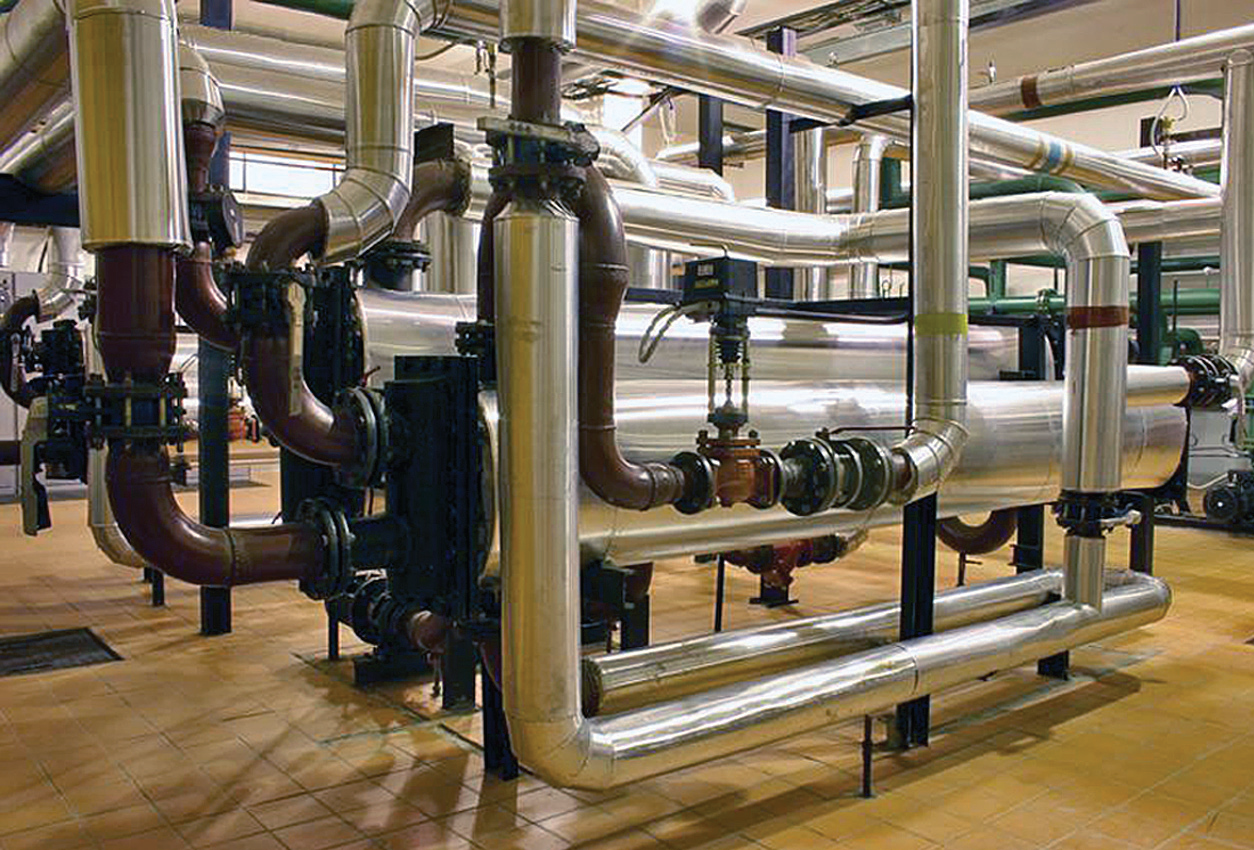
The Komsomolskteploenergo municipal utility upgraded its central heat substations CHS-10 and CHS-12 using Microl MIK-52 multifunctional controllers and the Squid wireless data transmission system.
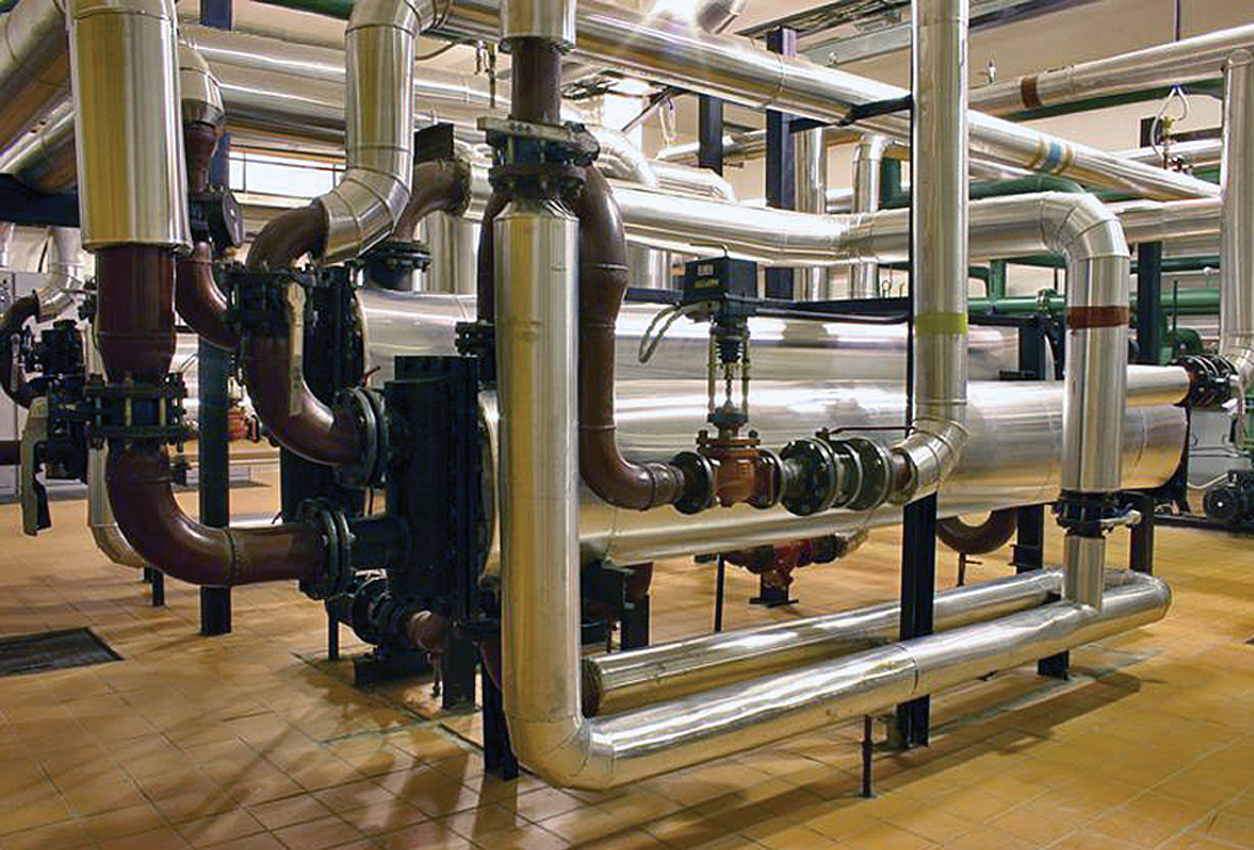
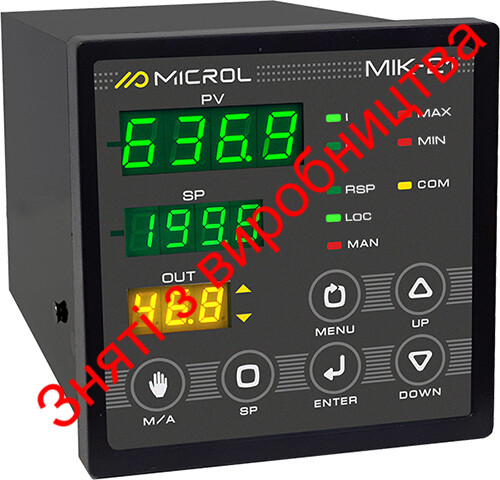
The substation equipment was outdated, and there was no money to replace the process equipment completely. So the utility focused on replacing the instrumentation and controls, on which the reliability of automation and the efficiency of the installation directly depend. The choice fell on Ukrainian-made MIK-52 multifunctional controllers (Fig. 1) from Microl LLC (Ivano-Frankivsk).
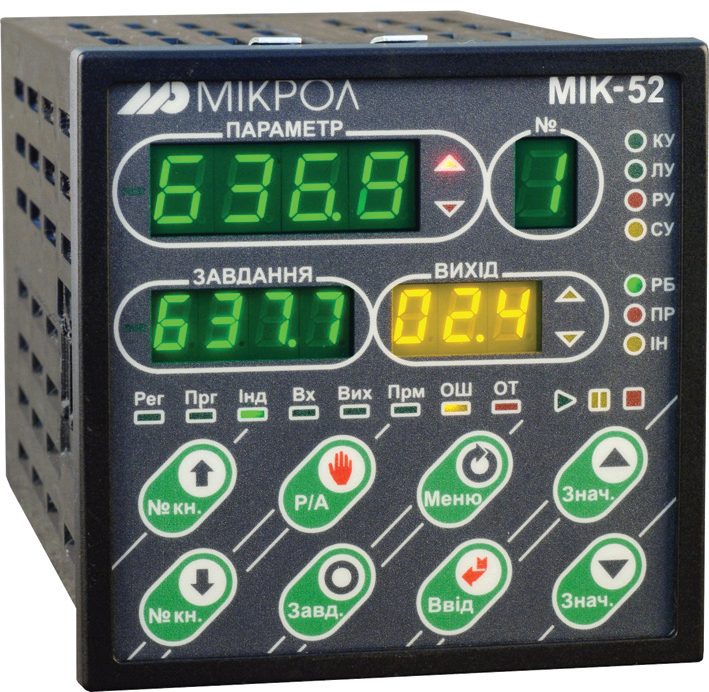
Fig. 1. MIK-52 multifunctional controller
The goal was automatic control of all loops of the substations that supply hot water to city neighborhoods, plus remote monitoring and control from the central emergency dispatch center.
Pumps feed cold water to the first-stage heat exchanger, where it is heated, and then through the second-stage heat exchanger, from which it leaves ready for the neighborhood's hot water network. The heat carrier from the central city boiler house goes partly to both heat exchangers and partly straight into the neighborhood heating network; the split is controlled by rotary dampers 1 and 2. Hot water pressure and the heat carrier differential pressure are controlled by Danfoss VLT 6000 frequency drives. An additional mixing pump feeds heat carrier from the return pipe into the supply pipe so that the temperature does not exceed the temperature curve; the amount of mixing is controlled by damper 3 (Fig. 2).
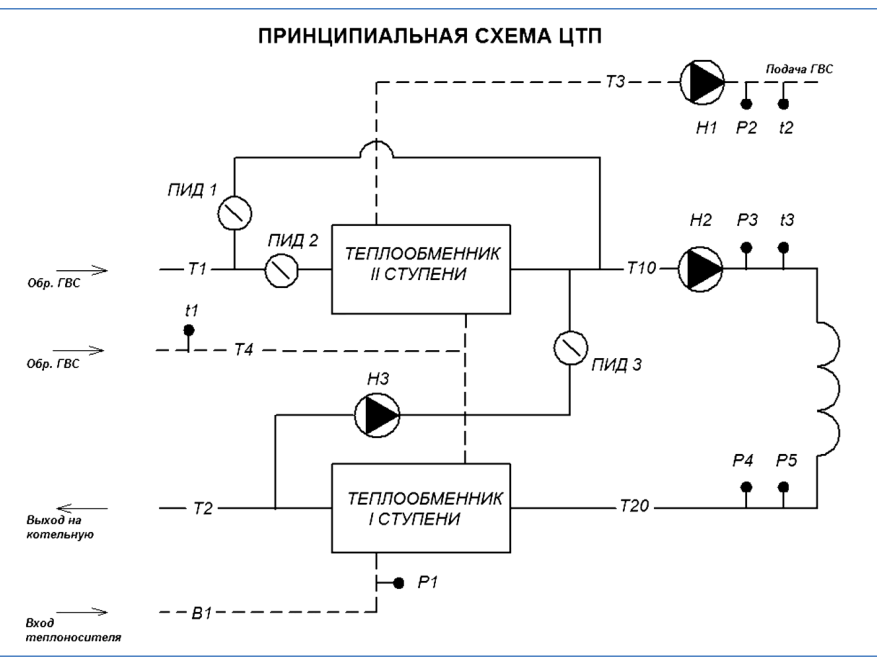
Fig. 2. Simplified process diagram of the heat substation
The MIK-52 controls three motorized butterfly dampers, switches the mixing pump on and off and controls the VLT 6000 frequency drive, which selects one of three preset setpoints on the controller's signal. The controller has enough resources to add many more control units to the system later. Measurements are made with Danfoss MBS 3000 pressure transmitters and TSMU temperature sensors made by Elemer. The block diagram of the substation control system is shown in Fig. 3.
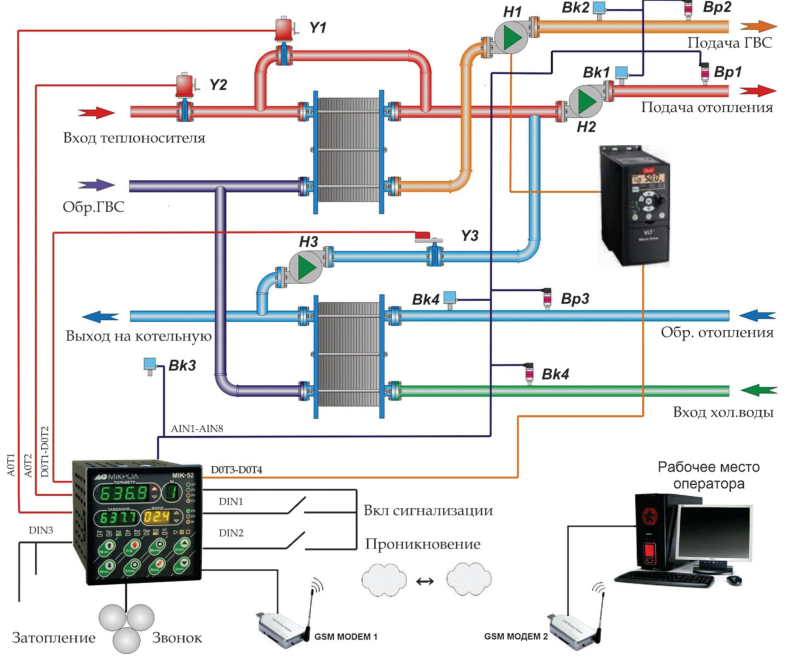
Fig. 3. Block diagram of the central heat substation control system
The substations are linked to the central emergency dispatch center by Microl's Squid wireless data transmission system. It routes data over GSM networks using GPRS and joins remote sites into a single information space with constant communication, monitoring and real-time control (Fig. 4).
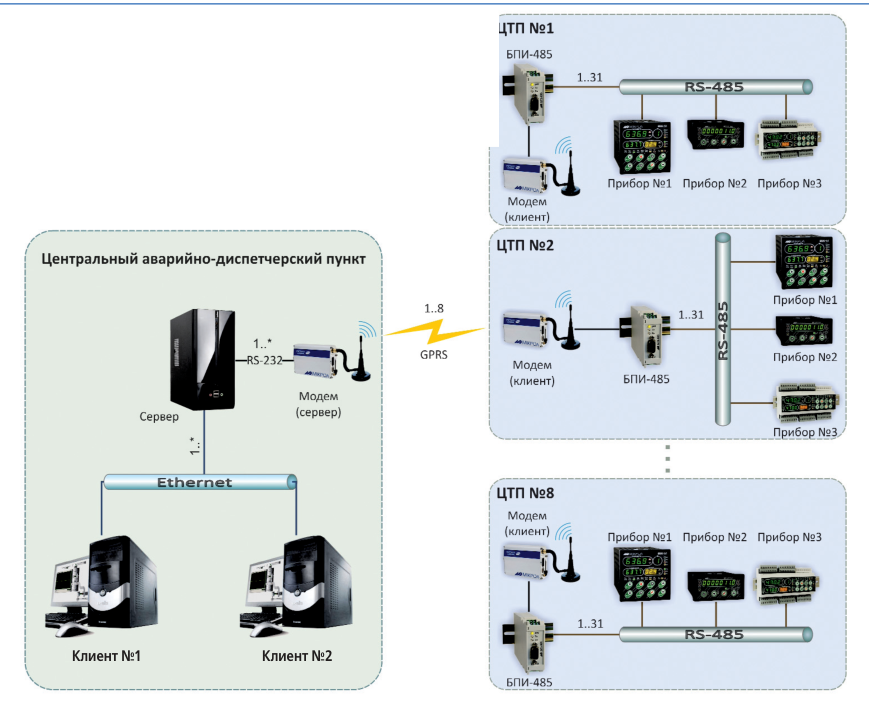
Fig. 4. Link between automated sites and the central emergency dispatch center via the Squid system
Data is visualized in the dispatch center with Microl's Visual Intellect SCADA system (Fig. 5). It provides convenient, clear remote monitoring, reporting and archive viewing, and thanks to its intuitive interface dispatchers use it without special training.
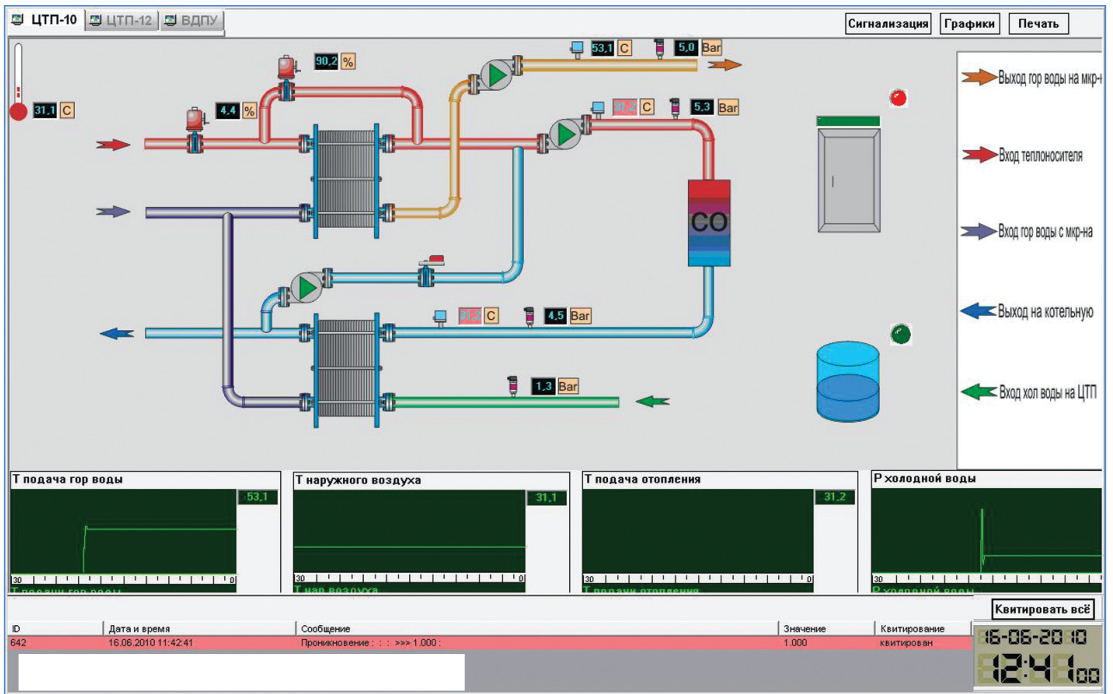
Fig. 5. Visual Intellect SCADA system window
According to the authors, the upgrade is minor in terms of hardware, but it substantially improves control quality, saves resources and allows the substations to be monitored and controlled remotely. Costs are minimal (the MIK-52 controller for CHS-10 cost UAH 5,376), and the equipment is mostly domestic. As the next stage, the utility planned to automate individual heat substations with MIK-51 controllers.
For more information about the products mentioned in this article, please contact Microl LLC:
+38 (0342) 502-701
+38 (067) 359-70-90
+38 (095) 092-07-28
sale@microl.ua, microl_zbut@microl.ua, zbutmicrol@gmail.com
www.microl.ua
Technical support:
+38 (0342) 502-702
+38 (067) 704-00-29
+38 (095) 302-37-57
support@microl.ua, supmicrol@gmail.com
Prepared on the basis of the article by V. O. Chub, O. I. Vasylkovskyi and V. M. Lykhozhon "Strategy for upgrading heat substations at the Komsomolskteploenergo utility", Housing and Utilities of Ukraine magazine, No. 5(28), June.
Open the booklet / download PDF